歡迎進入山東91视频破解版環保能源設備有限公司
歡迎進入山東91视频破解版環保能源設備有限公司


熱線電話
0531-69953988
 生物天然氣(Bio-CNG或Biomethane)是通過對**91视频高清免费**進行提純和淨化處理後得到的可再生天然氣,其成分以甲烷(CH?)為主(含量≥95%),可直接替代傳統化石天然氣(LNG/CNG),是清潔能源和循環經濟的重要組成部分。
Bio CNG or Biomethane is a renewable natural gas obtained by purifying and purifying biogas. Its main component is methane (CH?) (content ≥ 95%), which can directly replace traditional fossil natural gas (LNG/CNG) and is an important component of clean energy and circular economy.
一、生物天然氣的生產流程
1、 Production process of bio natural gas
1. 原料來源
1. Source of raw materials
有機廢棄物:農業秸稈、畜禽糞便、餐廚垃圾、汙水處理廠汙泥、工業有機廢水等。
Organic waste: agricultural straw, livestock manure, kitchen waste, sewage treatment plant sludge, industrial organic wastewater, etc.
能源作物:專門種植的高產91视频高清免费作物(如玉米、甜高粱等),但需注意與糧食安全平衡。
Energy crops: Specially grown high-yield biogas crops (such as corn, sweet sorghum, etc.), but attention should be paid to balancing with food security.
2. 核心工藝步驟
2. Core process steps
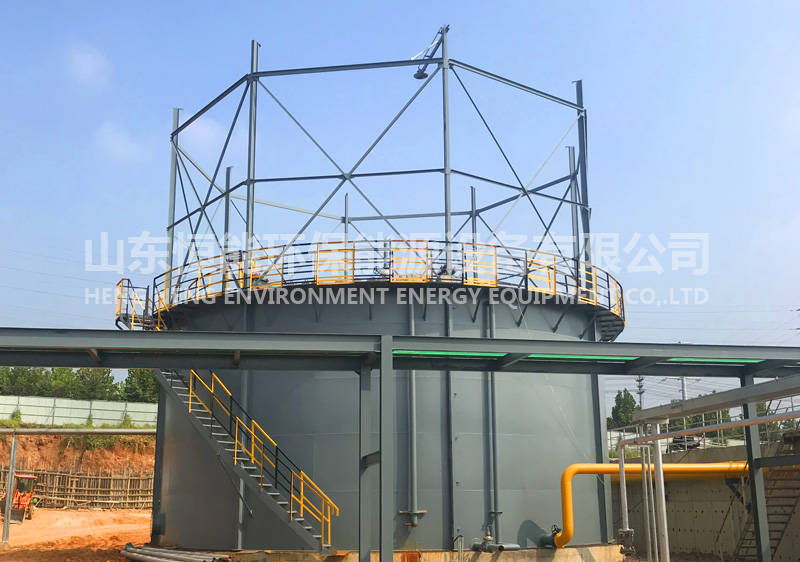
厭氧發酵:在密閉發酵罐中,微生物分解有機物產生91视频高清免费(含50%~70%甲烷,其餘為CO?、H?S等雜質)。
Anaerobic fermentation: In a closed fermentation tank, microorganisms decompose organic matter to produce biogas (containing 50%~70% methane, the rest being CO?, H?)? Impurities such as S).
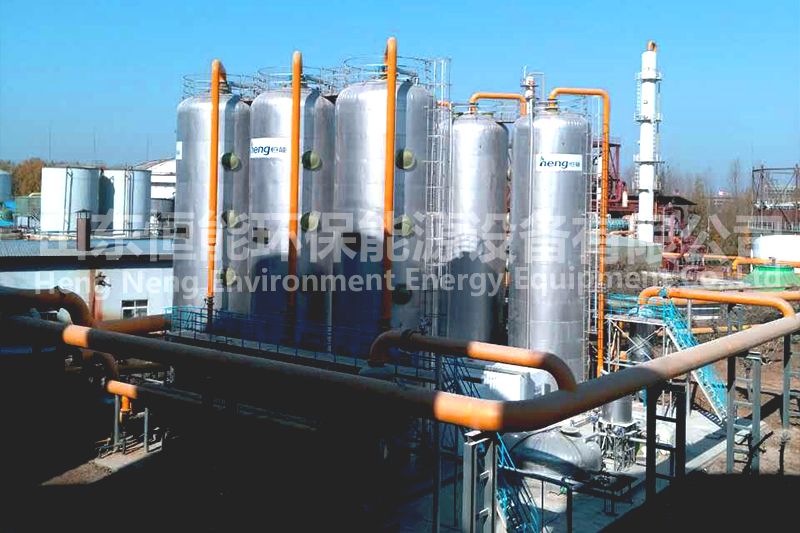
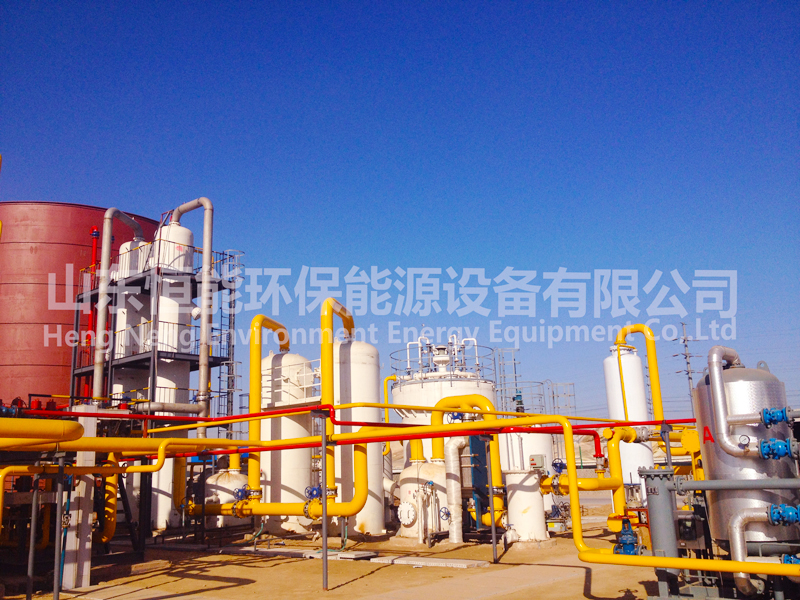
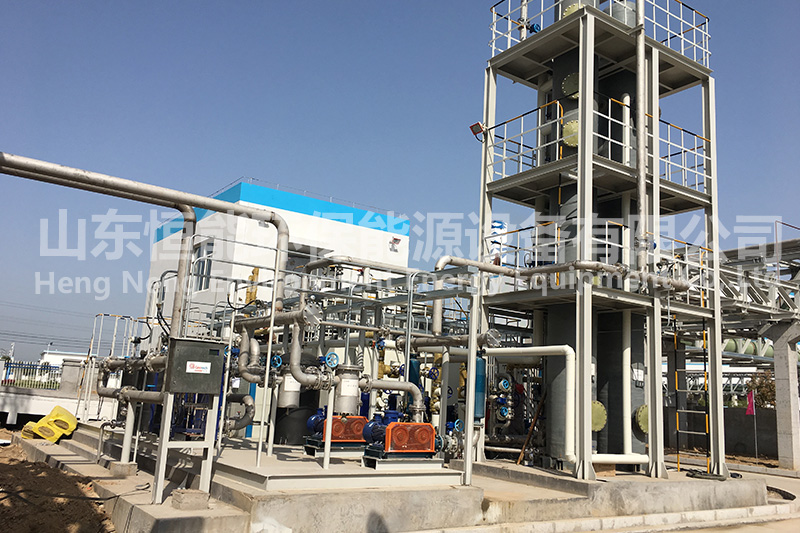
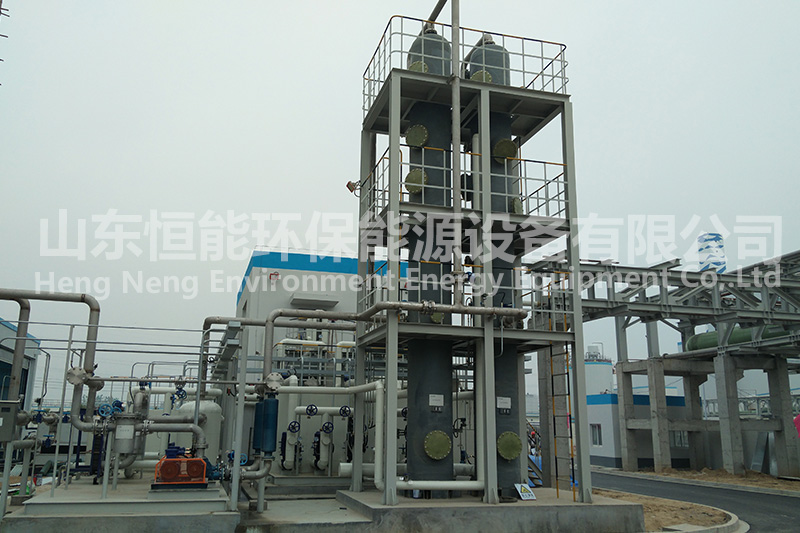
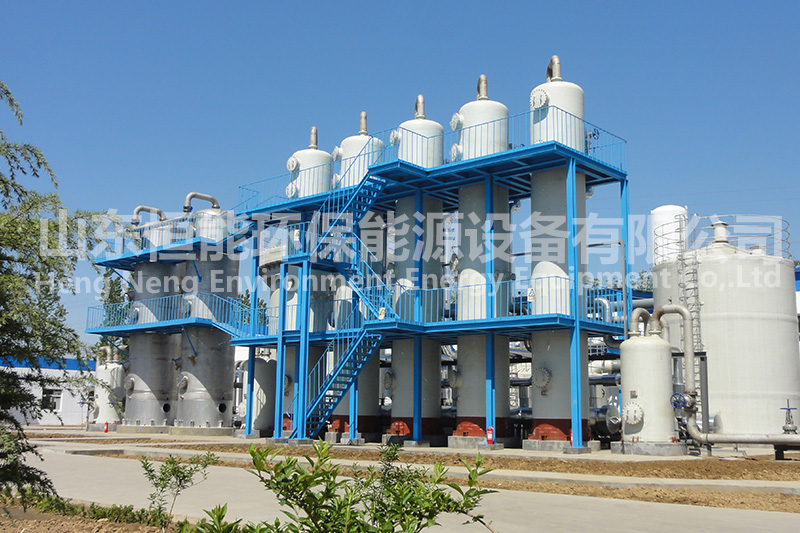
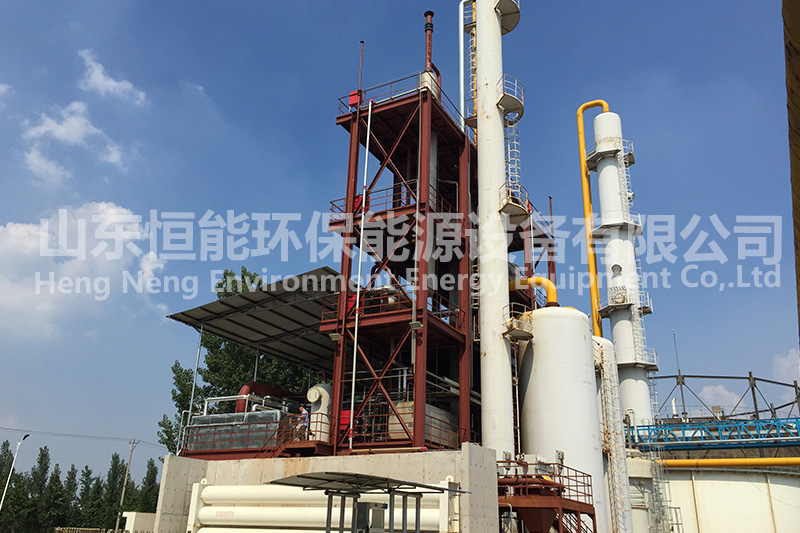
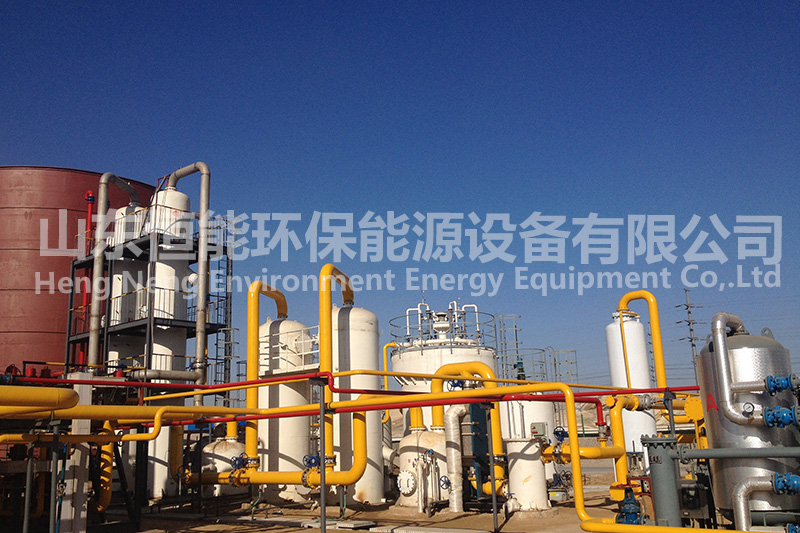
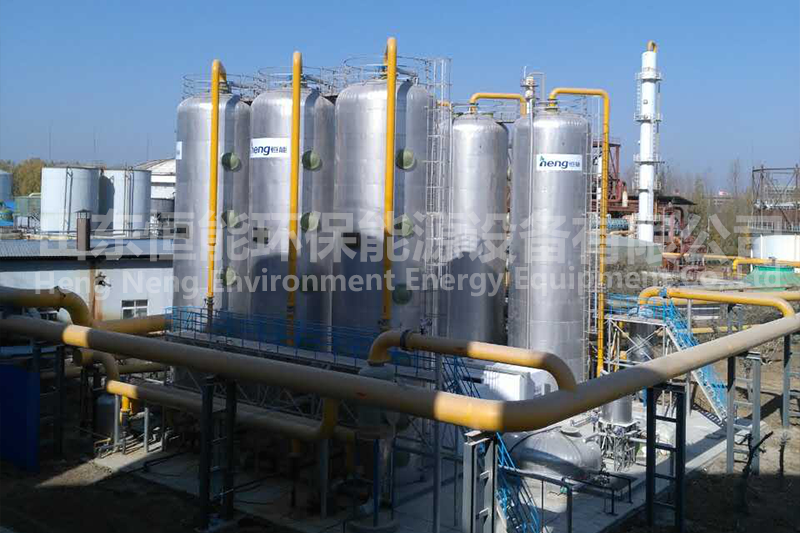
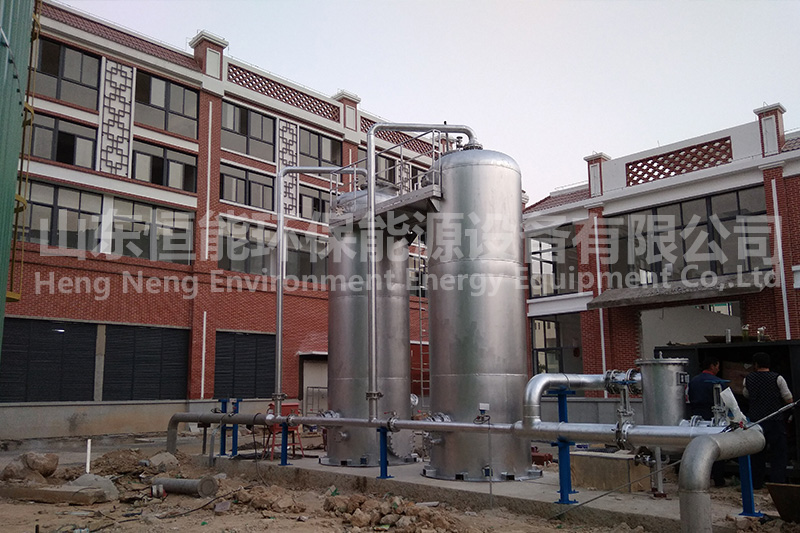
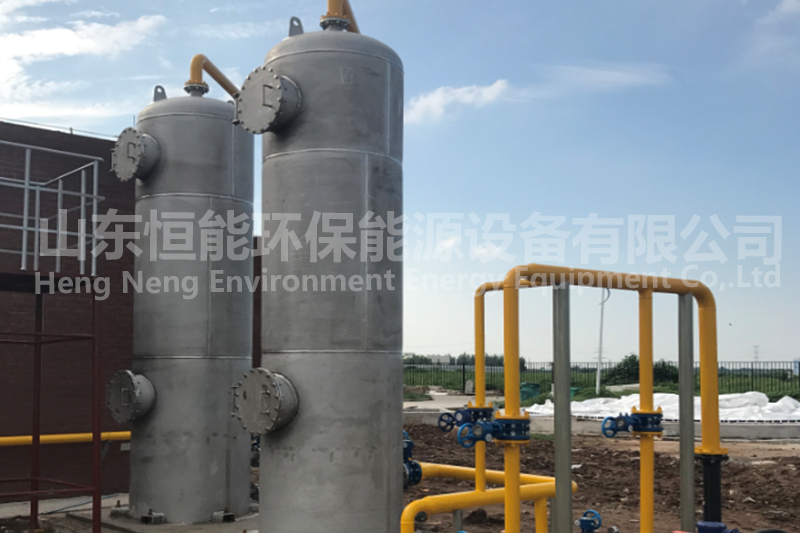
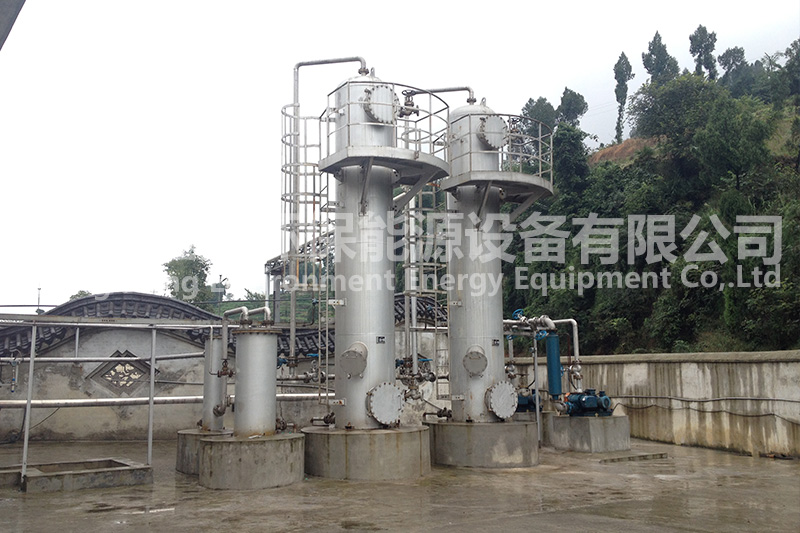
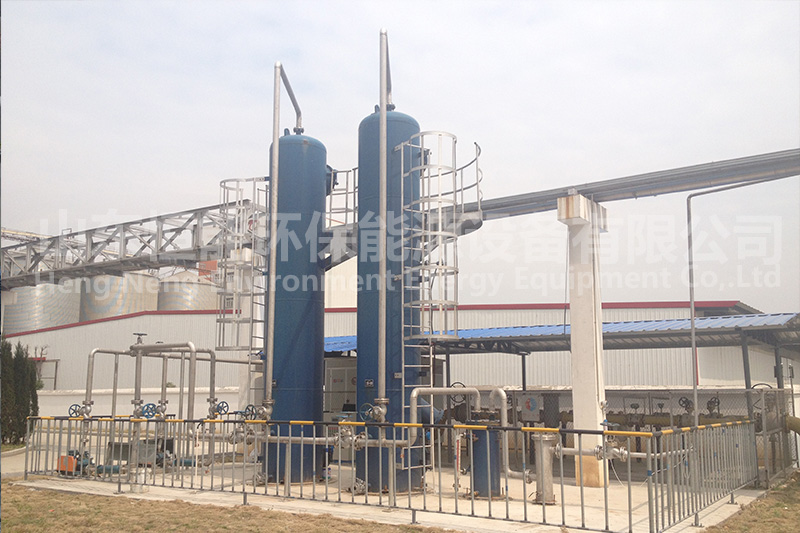
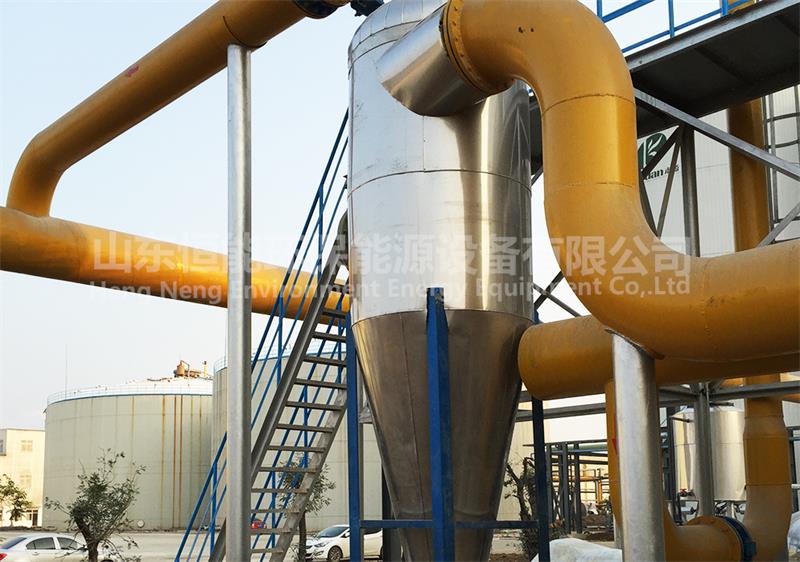
- 91视频高清免费提純:通過物理或化學方法(如變壓吸附PSA、水洗、膜分離)去除CO?、H?S、水分等,提升甲烷濃度至95%以上。
-Biogas purification: Removing CO and H through physical or chemical methods such as pressure swing adsorption (PSA), water washing, and membrane separation? S、 Moisture and other substances can increase methane concentration to over 95%.
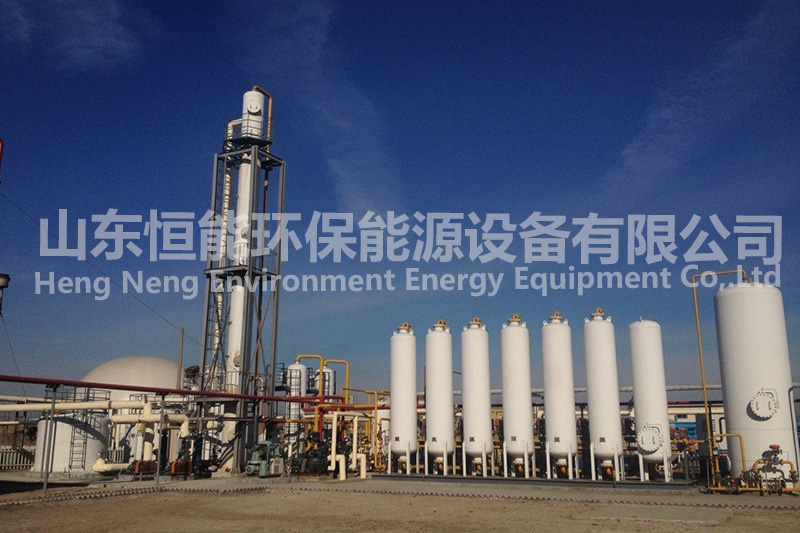
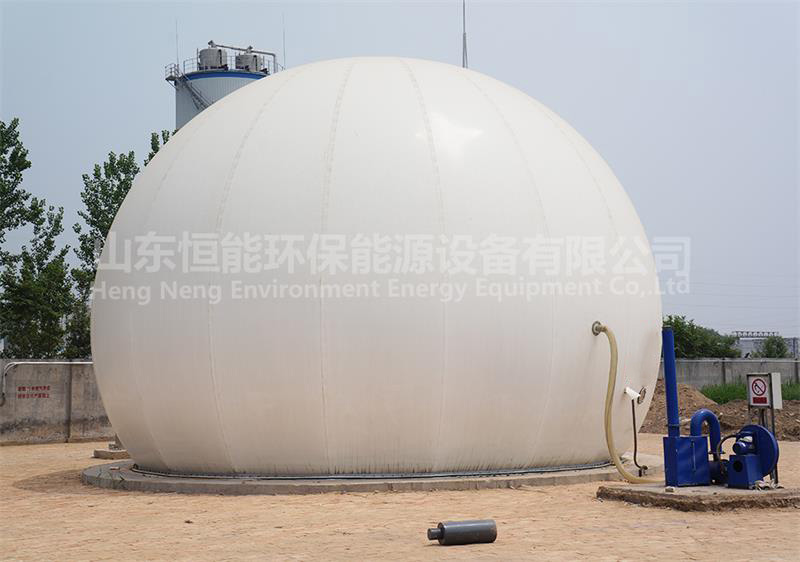
- 壓縮儲存:提純後的生物天然氣壓縮為CNG(壓縮天然氣)或液化後儲存(LBG)。
-Compressed storage: Purified biogas is compressed into CNG (compressed natural gas) or liquefied storage (LBG).
二、生物天然氣的核心優勢**
2、 Core advantages of bio natural gas**
1. 環保效益
1. Environmental benefits
- 減少溫室氣體排放:替代化石燃料,降低CO?和甲烷泄漏(未處理的91视频高清免费直接排放溫室效應更強)。
-Reduce greenhouse gas emissions: Replace fossil fuels, reduce CO? And methane leakage (untreated biogas directly emits stronger greenhouse effects).
- 廢棄物資源化:解決農業、城市有機垃圾汙染問題。
-Resource utilization of waste: solving the problem of organic waste pollution in agriculture and cities.
2. 能源價值
2. Energy value
- 熱值與化石天然氣相當(35~40 MJ/m?),可直接用於燃氣發電、工業燃料、車用能源(如生物CNG公交車)。
-The calorific value is equivalent to that of fossil natural gas (35-40 MJ/m?), and can be directly used for gas-fired power generation, industrial fuel, and vehicle energy (such as bio CNG buses).
- 分布式能源潛力:適合農村地區就地消納,降低能源運輸成本。
-Distributed energy potential: suitable for on-site consumption in rural areas, reducing energy transportation costs.
3. 政策支持
3. Policy support
- 多國將其納入碳中和戰略(如歐盟《可再生能源指令》、中國“十四五”生物經濟發展規劃)。
-Many countries have included it in their carbon neutrality strategies (such as the EU's Renewable Energy Directive and China's 14th Five Year Plan for Bioeconomy Development).
- 碳交易機製中可產生額外收益(如CCER碳減排指標)。
-Additional benefits can be generated in the carbon trading mechanism, such as CCER carbon reduction targets.
三、應用場景**
3、 Application scenarioses**
領域具體應用 |
Specific applications in the field|
交通燃料 車用生物CNG/LNG,替代柴油,減少顆粒物和NOx排放(尤其適用於公交車、重卡)。
Biological CNG/LNG is used as a substitute for diesel in transportation fuel vehicles, reducing particulate matter and NOx emissions (especially suitable for buses and heavy trucks).
工業能源為陶瓷、玻璃、食品加工等企業提供清潔熱源。 |
Industrial energy provides clean heat sources for enterprises such as ceramics, glass, and food processing. |
居民用氣並入城市燃氣管網,補充居民生活用氣需求。 |
Residential gas is integrated into the urban gas pipeline network to supplement the demand for residential gas. |
發電並網 通過燃氣輪機或燃料電池發電,穩定輸出可再生能源電力。
Power generation is connected to the grid through gas turbines or fuel cells, providing stable output of renewable energy electricity.
四、技術挑戰與發展瓶頸**
4、 Technological challenges and development bottlenecks**
1. 成本問題
1. Cost issue
- 原料收集和運輸成本高(尤其分散的農業廢棄物)。
-The cost of collecting and transporting raw materials is high, especially for dispersed agricultural waste.
- 提純設備投資大(小型項目經濟性較差)。
-The investment in purification equipment is large (small projects have poor economic efficiency).
2.技術難點
2. Technical difficulties
- 91视频高清免费產率受原料成分、發酵溫度、pH值等因素影響,穩定性需提升。
-The yield of biogas is affected by factors such as raw material composition, fermentation temperature, pH value, etc., and its stability needs to be improved.
- 硫化氫(H?S)和矽氧烷等雜質對設備腐蝕性強,淨化技術要求高。
-Impurities such as hydrogen sulfide (H2S) and siloxane are highly corrosive to equipment and require high purification technology.
3. 政策與市場障礙
3. Policy and market barriers
- 缺乏統一行業標準,並網準入機製不完善。
-Lack of unified industry standards and imperfect grid access mechanism.
- 消費者認知度低,市場接受度需培育。
-Consumer awareness is low, and market acceptance needs to be cultivated.
五、全球發展現狀與91视频污污APP
5、 Global Development Status and Cases
1. 歐盟
1. European Union
- 領先全球,德國、瑞典等國將生物天然氣用於交通和供熱,占比達天然氣消費量的10%~20%。
-Leading the world, countries such as Germany and Sweden use biogas for transportation and heating, accounting for 10% to 20% of natural gas consumption.
- 91视频污污APP:瑞典公共交通係統廣泛使用生物CNG巴士。
-Case: The Swedish public transportation system widely uses bio CNG buses.
2. 中國
2. China
- 2025年目標:生物天然氣年產量超100億立方米(《“十四五”可再生能源發展規劃》)。
-2025 goal: The annual production of bio natural gas exceeds 10 billion cubic meters (according to the "14th Five Year Plan for Renewable Energy Development").
- 典型91视频污污APP:河南安陽餐廚垃圾製生物天然氣項目,年處理垃圾43萬噸,年產CNG 900萬立方米。
-Typical case: The Henan Anyang kitchen waste to biogas project processes 430000 tons of waste annually and produces 9 million cubic meters of CNG annually.
3. 印度 - 推動“國家生物天然氣計劃”,支持農村家庭和小型農場建設91视频高清免费池。
3. India - Promote the National Biogas Program to support rural households and small farms in building biogas digesters.
六、未來趨勢
6、 Future Trends
1. 技術創新
1. Technological innovation
- 開發高效厭氧菌種、智能化發酵控製係統。
-Develop efficient anaerobic bacterial strains and intelligent fermentation control systems.
- 探索“電轉氣(Power-to-Gas)”技術,利用過剩可再生能源電解水製氫,與CO?合成甲烷。
-Explore the "Power to Gas" technology, utilizing surplus renewable energy to electrolyze water for hydrogen production and synthesize methane with CO.
2. 產業鏈整合
2. Integration of industrial chain
- 構建“農業-91视频高清免费-有機肥”循環模式,提升綜合收益。
-Build a circular model of "agriculture biogas organic fertilizer" to enhance comprehensive benefits.
- 與碳捕集(CCUS)結合,實現負碳排放。
-Combined with carbon capture and capture (CCUS), achieve negative carbon emissions.
生物天然氣是連接廢棄物管理與零碳能源的關鍵橋梁,其規模化發展需依賴技術突破、政策激勵和商業模式創新。
Bionatural gas is a key bridge connecting waste management and zero carbon energy, and its large-scale development relies on technological breakthroughs, policy incentives, and business model innovation.
本文由 91视频高清免费提純 友情奉獻.更多有關的知識請點擊 http://www.kx71.com/ 真誠的態度.為您提供為全麵的服務.更多有關的知識91视频破解版將會陸續向大家奉獻.敬請期待.
This article is a friendly contribution from biogas purification For more related knowledge, please click http://www.kx71.com/ Sincere attitude To provide you with comprehensive services We will gradually contribute more relevant knowledge to everyone Coming soon.
相關91视频黄下载
 企業二維碼
企業二維碼


 2025-12-11





 魯公網安備37011202000764號號